
Buy, Lease or Rent ATMs in Missouri | atmsmissouri.com

Categories
Blogs

How ATMs Help Drive More Spontaneous Purchases for Missouri Small Businesses

Why an ATM Can Increase Impulse Purchases at Missouri Small Businesses

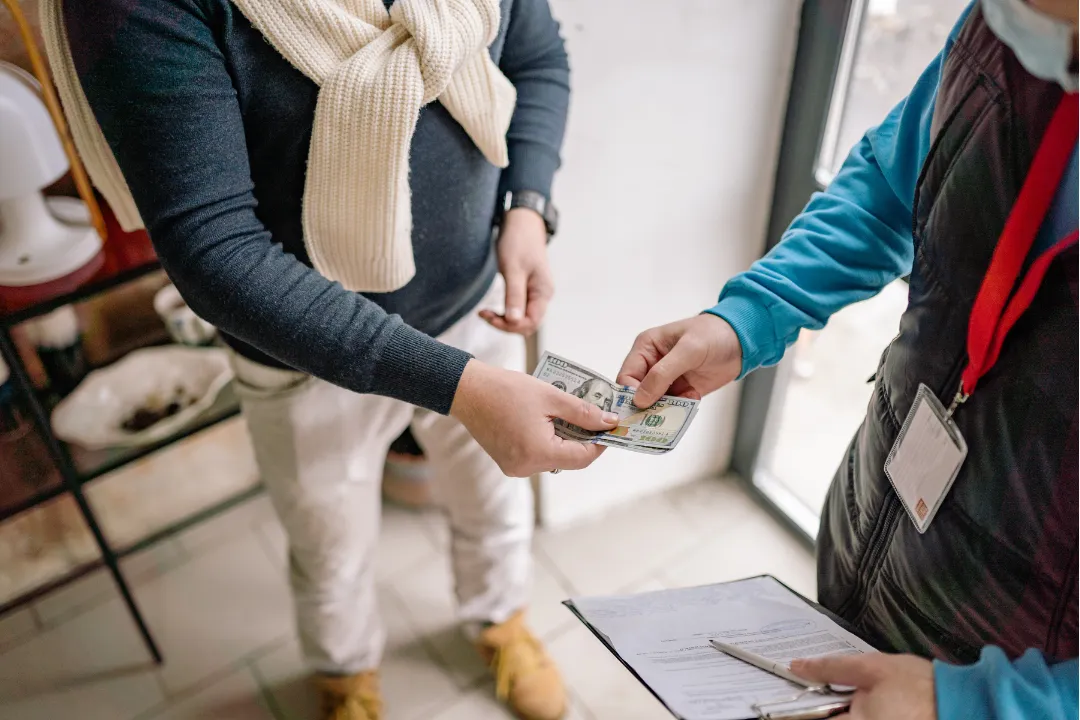
 Impulse buying often happens when customers are already interested, already inside the business, and only need one more reason or one less barrier to complete a purchase. That is where an ATM can make a measurable difference for many Missouri small businesses. When customers have easy access to cash on-site, they are more likely to make quick buying decisions without leaving the property to search for another machine. For businesses in Missouri, this matters because many local markets still combine everyday neighborhood spending with tourism, hospitality, entertainment, and convenience-based transactions. Missouri tourism continues to be a major force in the state economy, generating $21.4 billion in economic impact and supporting more than 307,000 jobs, while key sectors such as lodging, food sales, recreation, attractions, amusement parks, and sports complexes remain central to customer traffic. Missouri also has major industries including Food & Beverage, Manufacturing, Research & Development, and Distribution, which support strong commercial movement across the state. In cities such as Kansas City, St. Louis, Springfield, Columbia, Branson, Independence, St. Charles, and Jefferson City, an ATM can do more than provide convenience. It can help businesses capture more spontaneous spending from customers who are already ready to buy.

An ATM Reduces the Friction That Often Stops Impulse Purchases

 Impulse buying depends on timing. A customer may see a product, decide to add an extra item, pay for a service upgrade, or make a quick unplanned purchase simply because it feels easy in that moment. But that same purchase can disappear if the customer has to leave the site to find cash somewhere else. An ATM helps remove that friction by giving the customer a way to act on buying intent immediately. For a Missouri small business, that can be especially useful in convenience stores, restaurants, bars, gas stations, entertainment venues, small retailers, and tourism-related businesses where many purchases are made quickly and often depend on convenience rather than long decision-making.

This is particularly relevant in Missouri because customer traffic is shaped by both local demand and visitor activity. Missouri welcomed 42.4 million visitors in FY2024, and tourism-related spending remains closely tied to food sales, lodging, recreation, and attractions. In that kind of environment, small businesses benefit when customers can make decisions without interruption. An ATM placed inside or near the main customer flow can help turn a moment of interest into a completed sale by making cash access fast and simple at the exact point where spending happens.

Convenient Cash Access Can Encourage Add-On Purchases at Missouri Locations

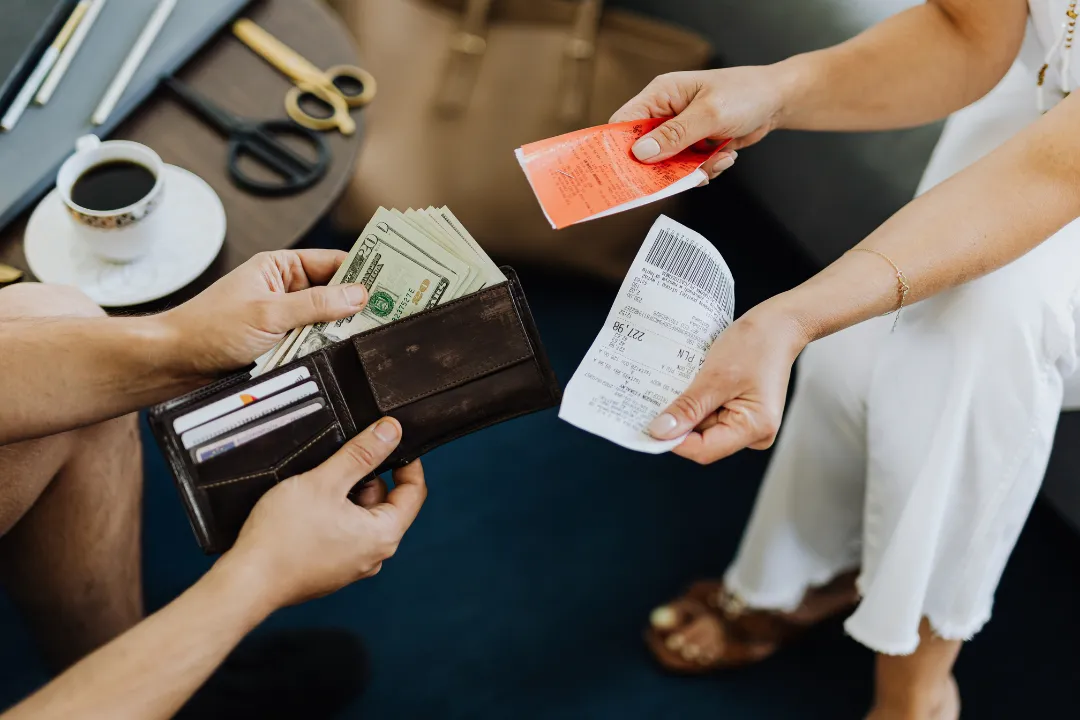
Many impulse purchases are not primary purchases. They are add-ons. A customer stops in for one reason, then buys an extra drink, a small retail item, a convenience product, a tip-based service, or an event-related upgrade because it is available and easy to pay for. ATMs can support this behavior by making customers feel more flexible about what they can spend once they are already at the location. That is especially helpful in small businesses where average transaction size may increase through simple, unplanned add-ons rather than through major purchases.

In Missouri, this can be highly relevant in both urban and visitor-facing markets. Branson, for example, is shaped by attractions and entertainment traffic, while Kansas City and St. Louis include busy hospitality, dining, and nightlife corridors where unplanned purchases are common. Springfield, Columbia, and other regional markets also support active local commerce where convenience can influence whether extra spending happens at the point of visit. When an ATM is available, the business creates a stronger opportunity for those add-on purchases to happen immediately instead of being postponed or lost. Missouri’s tourism and commercial base makes this kind of spending behavior especially important in real-world business settings.

ATMs Can Help Small Businesses Keep More Spending On-Site

One of the most practical benefits of an ATM is that it helps keep customers from leaving the location when they realize they need cash. Once a customer walks out to find another ATM, the business no longer controls what happens next. That customer may delay the purchase, decide not to come back, or spend money elsewhere before returning. For small businesses, even a modest number of these lost moments can add up over time. Keeping access to cash inside the business or directly on the property makes it easier for the customer to stay engaged and complete the transaction while interest is still high.

This matters in Missouri because many small businesses operate in areas shaped by mixed-use commerce, tourism traffic, or neighborhood convenience spending. Whether the business is in a busy metro area or a regional destination, the ability to keep customers on-site can improve both transaction flow and customer retention. Missouri’s travel industry reached $20.8 billion in economic impact in FY2024, and visitor-supported business activity remains strong across food, lodging, recreation, and attractions. In these environments, an ATM can help a small business preserve spending opportunities that might otherwise leave the site the moment cash becomes necessary.

Impulse Buying Works Best in High-Traffic Missouri Business Environments

Not every business will see the same value from an ATM, but small businesses in the right environment can benefit significantly. Impulse buying tends to be strongest where customer traffic is steady, purchases are quick, and people are already in a spending mindset. That includes convenience retail, food and beverage businesses, bars, event-oriented locations, hotels, travel corridors, and tourism-facing businesses. Missouri supports many of these use cases because its business climate includes both major metro centers and high-traffic visitor destinations. The state’s economic diversity also means businesses serve a wide range of customers, from daily local buyers to regional travelers and overnight visitors.

Missouri Partnership highlights Food & Beverage, Manufacturing, Research & Development, and Distribution as core industries shaping the state’s economy. Those industries support broader commercial activity, while tourism adds another layer of customer movement across the state. For small businesses in Kansas City, St. Louis, Springfield, Columbia, Branson, St. Charles, Independence, and Jefferson City, this means an ATM can become part of a location strategy built around convenience and spending behavior. In the right setting, the ATM does not just provide cash. It supports the kind of environment where more spontaneous purchases become easier to complete.

A Missouri ATM Can Support Impulse Buying by Making the Business More Convenient Overall

The bigger lesson is that impulse buying is rarely caused by one product or one sales tactic alone. It is often the result of a business environment that makes spending feel easy, timely, and practical. An ATM contributes to that environment by solving a simple but important problem: access to cash at the moment a customer wants to spend. For Missouri small businesses, especially those in customer-facing industries, that can help turn existing foot traffic into more completed purchases without changing the core business model. The ATM becomes a support tool for convenience, customer retention, and transaction flow rather than just an extra machine in the corner.

That is why the idea is especially relevant in Missouri. The state combines strong visitor activity, local commerce, hospitality spending, and broad industry support across many regions. Businesses that understand how customer convenience influences impulse behavior are in a better position to use an ATM strategically instead of treating it as an afterthought. When the machine is placed in the right location and matched to the right customer base, it can help Missouri small businesses capture more of the spontaneous spending that is already happening around them.
Categories
Blogs

3 Practical Ways ATM Installation Can Strengthen a Missouri Business

Why Installing an ATM Can Do More for a Missouri Business Than Many Owners Expect

 Installing an ATM can serve more than one purpose for a Missouri business. It can improve customer convenience, help keep spending on-site, and support long-term revenue potential at the same time. For many businesses, the ATM starts as a practical service feature, but it often becomes part of a broader strategy to make the location more useful and more competitive. That matters in Missouri because the state supports a mix of metro commerce, tourism activity, hospitality demand, and everyday community-based spending. From Kansas City and St. Louis to Springfield, Columbia, Branson, Independence, St. Charles, and Jefferson City, businesses in high-traffic areas often benefit from giving customers faster access to cash without forcing them to leave the property. Missouri’s visitor economy is especially relevant here, with 42.4 million visitors and $20.8 billion in economic impact in FY2024, while the state’s major industries include food and beverage, manufacturing, research and development, and distribution. In that kind of environment, ATM installation can function as both a convenience upgrade and a business decision tied to stronger day-to-day performance.

ATM Installation Can Improve Customer Convenience in a Way That Feels Immediate and Practical

The first way ATM installation becomes multi-purpose is through customer convenience. Many customers still need access to cash during everyday business activity, especially in settings where purchases are quick, unplanned, event-related, or tied to small in-person transactions. When an ATM is available on-site, the business becomes easier to use because customers no longer have to interrupt their visit and search for a machine somewhere else. That convenience can matter in restaurants, bars, convenience stores, gas stations, hotels, retail shops, entertainment venues, and service-based businesses where customers may decide to spend more when access to cash is simple. In a customer-facing environment, reducing one source of friction can make the business feel more prepared and more responsive to real-world customer needs.

This is particularly relevant in Missouri because the state supports both major population centers and strong visitor-driven commerce. Businesses in Kansas City and St. Louis may benefit from dense urban traffic, while Branson and other destination-oriented areas serve travelers whose spending patterns often depend on fast and convenient access to services. Missouri’s tourism industry plays a meaningful role in statewide commerce, and the state also promotes sports and event travel as part of its tourism efforts. That combination increases the relevance of practical on-site services that help businesses handle real customer demand without unnecessary interruptions. When viewed in that context, ATM installation is not only about adding a machine. It is about making the business more functional in the moments that matter most to the customer.

An ATM Can Help Keep More Spending Inside the Business Instead of Sending Customers Elsewhere

The second way ATM installation becomes multi-purpose is by helping the business hold onto transaction opportunities that might otherwise leave the property. When customers need cash and there is no ATM nearby, the business risks losing not only the withdrawal opportunity but also the purchase that was going to happen right after it. Some customers may come back, but others may decide to spend elsewhere once they leave. Installing an ATM helps reduce that risk by making it easier for spending to stay connected to the location where the customer already is. This can be especially valuable in businesses where customer decisions are quick and transaction windows are short, such as bars, casual dining, convenience retail, tourism locations, event venues, and certain service businesses.

Missouri offers many real-world conditions where that matters. The state’s economy is not limited to one industry or one kind of commercial pattern. Missouri Partnership identifies Food & Beverage, Manufacturing, Research & Development, and Distribution as major industries, and Missouri’s food and beverage sector is described as one of the world’s leading hubs for food processing and distribution. That broader business activity supports movement, employment, and customer traffic across many parts of the state. For business owners, this means an ATM can play a role in preserving on-site spending not only in tourism hotspots but also in everyday commercial corridors and regional business centers. When customers can get what they need without leaving, the business has a better chance of benefiting from the full value of its existing foot traffic.

ATM Installation Can Support an Additional Revenue Opportunity Without Changing the Core Business Model

The third way ATM installation becomes multi-purpose is through revenue potential. An ATM does not have to replace the main product or service of the business to add value. Instead, it can work alongside the core operation by supporting customer withdrawals and creating an additional business asset tied to existing foot traffic. This is why many businesses view ATM installation as a strategic add-on rather than as a separate venture. In the right environment, the ATM contributes by serving real customer demand while fitting naturally into the way the business already operates. That makes it appealing for owners who want to add value without redesigning their business model around a completely new product or service line.

For Missouri businesses, this matters in markets where local traffic and visitor activity already exist. Missouri’s FY2024 tourism figures show how much commercial movement is already happening across the state, while the broader business environment supports ongoing local commerce in both metropolitan and regional areas. In places where customers already walk in, wait, browse, dine, or attend events, the ATM can become part of the location’s operating ecosystem. It works best not because it is flashy, but because it serves a real use case that already exists in the business. That is what makes ATM installation multi-purpose: it improves convenience, supports transactions, and can add long-term value without forcing the owner to change what the business fundamentally does.

Missouri’s Mix of Tourism, Hospitality, Retail, and Local Commerce Makes ATM Installation Especially Relevant

 A major reason ATM installation can be so useful in Missouri is that the state offers multiple business environments where cash access still matters. In metro locations such as Kansas City and St. Louis, businesses often serve fast-moving customer traffic and benefit from convenience-driven services. In destinations like Branson and other visitor-heavy areas, travelers may need quick access to cash while shopping, dining, attending attractions, or participating in events. In regional cities such as Springfield, Columbia, Independence, and Jefferson City, businesses may serve a combination of residents, workers, students, families, and visitors. That diversity means the use case for an ATM is not limited to one narrow market. It can be relevant across multiple parts of the state for different reasons.

Missouri’s broader economic profile supports that flexibility. Tourism continues to generate billions in impact, while business development organizations highlight the state’s strength in logistics, manufacturing, food and beverage, and research-related industries. The state’s central location and connected infrastructure also support regional movement and distribution, which can indirectly strengthen customer activity in many business corridors. In a market with this much variety, ATM installation becomes useful not because every business is identical, but because many different business types can benefit from on-site cash access when it is matched to the right location and customer base. That makes Missouri a strong example of how an ATM can serve multiple purposes at once without feeling forced or generic.

The Real Value of ATM Installation Comes From How Many Jobs It Can Do for One Business

The best way to understand the value of ATM installation is to look at how many roles one machine can play inside a business. It can make the location more convenient, reduce the chance that spending leaves the site, support an additional revenue opportunity, and help the business present itself as more complete and customer-focused. That is why ATM installation is often more strategic than it first appears. A well-placed ATM does not just sit inside the business. It works as part of the customer experience, part of the transaction flow, and part of the business’s long-term operating model. When installed in the right place, it becomes a multipurpose asset tied directly to how people use the business every day.

That conclusion fits Missouri well because the state combines tourism activity, diverse commercial sectors, and multiple strong city markets with regional business growth. Businesses across Missouri are already competing on convenience, speed, and customer experience, and an ATM can support all three when it is placed thoughtfully. For owners evaluating whether installation is worth it, the bigger takeaway is that the value is rarely limited to one outcome. In the right Missouri setting, ATM installation can support multiple business goals at once, which is exactly why it deserves to be seen as more than a simple equipment decision.

Categories
Blogs

4 Smart Questions Missouri Businesses Should Ask Before Choosing an ATM Location

How to Identify the Best ATM Location for a Missouri Business

Finding the right ATM location is one of the most important decisions a Missouri business can make when planning to add an ATM. A strong location can improve convenience for customers, support more on-site spending, and increase the long-term value of the machine. A poor location, on the other hand, can limit usage even if the ATM itself is reliable and well maintained. That is why Missouri businesses should think beyond simply placing an ATM where there is open floor space. The better approach is to evaluate traffic patterns, customer behavior, nearby competition, visibility, and the type of commercial activity happening around the site. This matters in Missouri because business environments vary widely across the state, from dense metro markets like Kansas City and St. Louis to visitor-oriented destinations and regional centers such as Springfield, Columbia, Branson, Independence, and Jefferson City. Missouri’s tourism industry welcomed 42.4 million visitors in FY2024 and had a $20.8 billion economic impact, while the state’s broader economy is supported by food and beverage, manufacturing, research and development, and distribution. Those conditions make location strategy especially important for businesses that want their ATM to perform well over time.

Question 1: Does the Location Have Consistent, Real-World Foot Traffic?

The first question any Missouri business should ask is whether the location has enough real foot traffic to justify an ATM. Not all traffic is equal. A business may be in a visible area, but if people are not regularly coming inside, making purchases, waiting in line, or spending time on-site, the machine may not generate the kind of usage the owner expects. The best ATM locations usually serve businesses where customers already move through the property in a steady and predictable way. Convenience stores, gas stations, bars, restaurants, hotels, event venues, tourist areas, and retail spaces often work well because they combine customer presence with a practical need for quick access to cash. For Missouri businesses, this can be especially important in metro corridors, travel routes, and hospitality-focused districts where convenience influences how much spending stays on-site.

Missouri’s business and tourism mix supports this kind of evaluation. The state welcomed 42.4 million visitors in FY2024, and tourism-related activity plays a major role in lodging, food sales, recreation, and attractions. In addition, Missouri’s economy includes strong sectors such as food and beverage, manufacturing, R&D, and distribution, which help sustain broad commercial activity across different regions. That means a high-traffic ATM opportunity in Missouri might come from a tourism destination like Branson, a downtown hospitality area in Kansas City or St. Louis, or a community-centered commercial strip in Springfield or Columbia. The key point is that an ATM performs best where customer movement is both frequent and relevant to cash access needs.

Question 2: Is the ATM Easy for Customers to See and Access?

Even a promising business location can underperform if the ATM is hidden, awkwardly positioned, or inconvenient to reach. Visibility and accessibility are often just as important as foot traffic because customers are more likely to use the machine when they can spot it quickly and approach it without confusion. That means Missouri businesses should think about where the ATM will sit in relation to entrances, checkout areas, waiting zones, walkways, and other natural points of customer movement. If a customer has to search for the ATM, move through clutter, or guess whether it is available for public use, usage may be lower than expected. A strong location gives the ATM a visible role in the customer experience without making it feel obstructive or out of place.

This question matters in Missouri because many businesses compete on convenience, especially in customer-facing sectors tied to hospitality, retail, and tourism. In busy areas such as Kansas City entertainment districts, St. Louis mixed-use corridors, Branson visitor zones, or active regional centers like Springfield and Columbia, customers often make quick decisions. The easier the ATM is to find and use, the more likely it is to support those real-time purchasing moments. Missouri Partnership also emphasizes the state’s strong strategic location and broad business activity, which reinforces how important efficient business infrastructure can be for locations serving high customer volume. In practical terms, a visible ATM has a better chance of becoming part of the flow of the business rather than something customers overlook.

Question 3: Does the Customer Base Actually Need Convenient Access to Cash?

 A location can have traffic and visibility, but the ATM may still underperform if the customer base does not have a strong reason to use it. That is why the third question should focus on customer behavior. Missouri businesses should ask whether their customers are likely to need cash during their visit, whether they make smaller purchases, whether they spend in ways that still favor cash in certain moments, or whether they may want quick access to funds without leaving the site. Businesses that serve event attendees, bar patrons, tourists, travelers, convenience buyers, food customers, and other in-person traffic often have stronger ATM potential because customers may need cash unexpectedly while already on the property. This is less about guessing and more about evaluating how people actually interact with the business.

Missouri provides many settings where this question is highly relevant. Tourism remains a major economic force, and visitor activity is concentrated in areas tied to attractions, hospitality, and recreation. At the same time, Missouri’s diverse economy means many local businesses still operate in environments where convenience and transaction speed matter. A business near a travel corridor, in a downtown food and beverage district, near an entertainment venue, or in a service-heavy commercial area may have a much stronger case for an ATM than a lower-traffic office environment with little consumer movement. The best ATM locations are not simply busy. They are busy with the kind of customers who are likely to benefit from fast cash access.

Question 4: Is There Enough Local Business Activity to Support Long-Term ATM Use?

The final question is about sustainability. An ATM should not only work for a short-term burst of interest. It should also fit a location where business activity is likely to remain strong enough to support continued use over time. That means looking at the surrounding area and asking whether the business sits in a healthy commercial environment. Are nearby businesses active? Is the area known for local spending, visitor traffic, or routine consumer movement? Does the location benefit from stable industries or a growing business base? Missouri businesses that ask these questions early are more likely to choose an ATM location that continues to perform rather than one that looks promising only at first glance.

Missouri offers strong reasons to think about long-term commercial support when selecting an ATM location. Missouri Partnership describes the state as having low business costs, a strategic central location, and a diverse range of industries, with Food & Beverage, Manufacturing, Research & Development, and Distribution listed among the major sectors. Kansas City and St. Louis are specifically highlighted as core Missouri locations, but many regional areas also benefit from tourism, community commerce, and statewide transportation connectivity. For an ATM owner, that broader economic context matters because a machine placed in an area with steady local and regional business activity has a better chance of remaining useful and relevant over time.

The Best Missouri ATM Locations Usually Answer All Four Questions Well

The strongest ATM placements are rarely chosen based on just one factor. They succeed because they combine consistent foot traffic, strong visibility, a customer base that genuinely needs convenient cash access, and a local business environment that can support long-term usage. Missouri business owners who evaluate all four areas are in a better position to make a smarter ATM placement decision. This is especially important in a state as commercially diverse as Missouri, where the right ATM opportunity may look very different in a downtown St. Louis retail corridor, a Kansas City hospitality district, a Springfield convenience location, or a Branson tourism setting. Each market has its own traffic patterns and customer behavior, which is why a location-based decision should always be grounded in the realities of that specific site.

When those four questions are answered carefully, the ATM becomes more than equipment. It becomes a business asset placed where it can actually support convenience, customer experience, and revenue opportunity. Missouri’s mix of metro activity, visitor spending, and diverse industries creates many possible use cases for ATM placement, but not every site is equal. The businesses most likely to benefit are the ones that take the time to assess location quality before installation rather than after. In that sense, the best ATM location is not just the busiest-looking spot. It is the one that fits the behavior of the people already using the business and the economic setting around it.

Categories
Blogs

Missouri ATM Ownership Benefits: Why More Businesses Are Choosing to Invest in On-Site Cash Access

Why ATM Ownership Can Be a Smart Long-Term Move for Missouri Businesses

Owning an ATM can be a practical business decision for Missouri companies that want more control over customer convenience, on-site cash access, and long-term revenue opportunity. In many parts of Missouri, businesses still serve customers who rely on quick access to cash for small purchases, tipping, event spending, food and beverage sales, or convenience-based transactions. That makes ATM ownership especially relevant in cities such as Kansas City, St. Louis, Springfield, Columbia, Branson, Independence, St. Charles, and Jefferson City, where businesses often serve a mix of local residents, repeat customers, and visitors. Missouri’s visitor economy remains a major factor in statewide commerce, with 42.4 million visitors and a $20.8 billion economic impact in FY2024, and the state’s broader economy is also supported by industries such as food and beverage, manufacturing, research and development, and distribution. In that kind of business environment, owning an ATM can help a location become more convenient, more self-sufficient, and better positioned to keep spending on-site.

Owning an ATM Gives Missouri Businesses More Control Over the Customer Experience

One of the biggest advantages of ATM ownership is control. When a business owns its ATM, it has a more direct role in how that machine supports its daily operations, customer convenience, and long-term service model. Instead of relying only on outside arrangements that may not fully align with the needs of the location, the business can choose a setup that better matches its traffic, layout, and transaction goals. This can be especially useful for Missouri businesses that want ATM access to function as a true part of the customer experience rather than as an afterthought. In retail shops, convenience stores, restaurants, gas stations, bars, hotels, and tourism-related businesses, the ability to offer fast access to cash on-site can make day-to-day service feel smoother and more complete.

This matters even more in Missouri because business conditions vary widely across the state. Kansas City and St. Louis bring dense urban demand and commercial volume, while markets such as Springfield, Columbia, Branson, St. Charles, and Jefferson City each offer different mixes of local traffic, visitor activity, and community-based commerce. Missouri’s major industries also show how broad the business environment is, with Food & Beverage, Manufacturing, Research & Development, and Distribution all identified as core sectors. That diversity means many different kinds of businesses can benefit from having more direct control over a useful service feature like an ATM. Owning the machine can help the business create a more stable, localized setup that fits its specific customer needs instead of relying on a one-size-fits-all model.

ATM Ownership Can Support Revenue Potential Beyond Basic Customer Convenience

A business ATM is often first viewed as a convenience feature, but its value can go much further than that. In the right location, ATM ownership can help support revenue potential tied to transaction activity while also improving the chance that customers keep their spending on-site. If a customer needs cash and the business can provide access immediately, there is less reason for that customer to leave the location to find another machine elsewhere. That can matter in environments where purchases are often quick, spontaneous, or tied to event-driven traffic. For many Missouri businesses, especially those serving regular walk-in customers or visitors, that kind of convenience can play a practical role in both sales flow and customer retention.

Missouri’s economic profile helps support this logic. The state not only has strong metro markets and active local commerce, but also a significant travel economy and a central location that supports broad commercial movement. Tourism alone contributed $20.8 billion in economic impact in FY2024, and Missouri’s position as a hub for distribution and manufacturing adds to the amount of day-to-day business activity across the state. A business that owns an ATM in the right environment can potentially benefit from both direct transaction-related value and the broader commercial advantage of keeping customers engaged on-site. Over time, that can make the ATM feel less like a side feature and more like an asset connected to the business’s revenue strategy.

Missouri’s Tourism, Hospitality, and Retail Sectors Make ATM Ownership Especially Relevant

ATM ownership becomes more attractive when the business serves the kinds of customers who are likely to need cash without planning far in advance. That is why Missouri’s tourism, hospitality, and retail sectors create particularly strong use cases. Visitors stopping in entertainment districts, travelers moving through highway and metro corridors, customers attending local events, and diners or shoppers making quick purchases all create the kind of environment where access to cash can still make a difference. Businesses in Branson, St. Louis, Kansas City, Springfield, Columbia, and other active commercial areas may find that an ATM helps support both convenience and customer expectations in a way that aligns naturally with local demand.

Missouri’s tourism footprint reinforces that opportunity. The state welcomed 42.4 million visitors in FY2024, and tourism-related spending continues to shape lodging, food sales, recreation, attractions, and sports-related commerce. At the same time, Missouri’s broader industry mix means that many customer-facing businesses operate in areas influenced by manufacturing, logistics, and regional travel patterns as well. The result is a state where ATM ownership can make sense across multiple business categories, not just in one narrow niche. When business owners evaluate whether an ATM belongs on-site, Missouri offers enough real-world commercial activity to make that decision relevant in both metro and regional markets.

Owning an ATM Can Be a More Stable Long-Term Strategy Than Constant Short-Term Workarounds

Many businesses delay ATM investment because they focus only on the upfront purchase instead of the long-term operating value. But ownership can make more sense when the business expects ongoing foot traffic, repeat customers, or regular in-person transactions over time. Instead of depending on temporary solutions or inconsistent customer cash access, the business can make the ATM part of its long-term setup. That stability can matter for business owners who want more predictability, more direct control over how the machine supports the location, and a clearer connection between the ATM and the business’s overall customer service model.

Missouri’s business-friendly profile supports that kind of long-range thinking. Missouri Partnership highlights the state’s low business costs, strategic central location, and diverse industry base, all of which help make Missouri a practical place for investment and expansion. In that kind of environment, ATM ownership can be viewed as part of a broader effort to create a more complete and self-supporting business operation. For the right location, ownership may reduce the need for repeated short-term decisions and instead provide a more durable solution that serves the business over a longer horizon. That is especially true for businesses in areas where customer volume is already established and where convenience plays a direct role in maintaining transaction flow.

Why More Missouri Businesses Are Looking at ATM Ownership as a Practical Growth Tool

Missouri businesses are operating in a market where convenience, speed, and customer experience all matter, and ATM ownership fits into that reality more naturally than many owners first assume. It can support cash access, strengthen on-site service, reduce the chance that customers leave to look for funds elsewhere, and add long-term operational value to the location. For some businesses, the ATM may also support revenue potential tied to usage, but even beyond that, ownership can help the business present itself as more prepared, more customer-friendly, and more capable of serving real day-to-day needs.

That is why ATM ownership deserves serious consideration across Missouri’s customer-facing industries. In a state with major urban centers, strong travel activity, and core industries that keep commercial movement active, the right ATM can do more than sit inside a business. It can become part of a broader strategy built around convenience, local competitiveness, and long-term growth. From Kansas City and St. Louis to Branson, Columbia, Springfield, and beyond, the businesses most likely to benefit are those that understand how useful on-site cash access can be in the moments when customers want fast, simple, and reliable service. Missouri’s economic diversity and tourism scale make that kind of investment easier to justify than in a market with weaker in-person demand. 

Categories
Blogs

Why Puloon ATMs Are a Smart Fit for Missouri Businesses Ready to Grow

How Puloon ATMs Help Missouri Businesses Improve Convenience, Service, and Revenue Potential

Missouri businesses operate in a market shaped by steady local demand, visitor spending, and a wide mix of industries that depend on convenient in-person transactions. From Kansas City and St. Louis to Springfield, Columbia, Branson, Independence, and Jefferson City, many businesses serve customers who still need quick access to cash while shopping, dining, traveling, or attending events. That is why the right ATM matters. Puloon ATMs can be a strong option for Missouri businesses that want dependable equipment, a more modern customer experience, and a practical way to support on-site spending. In a state where tourism contributes billions of dollars in economic activity and major industries include logistics, manufacturing, and food and beverage, ATM access remains a useful service feature for many retail, hospitality, entertainment, and service-based locations. Choosing the right ATM is not only about hardware. It is about aligning your business with equipment that can support convenience, daily operations, and long-term growth.

Puloon ATMs Give Missouri Businesses a Stronger Foundation for Daily Customer Transactions

 For many Missouri businesses, customer convenience directly affects whether spending stays on-site or leaves the location. A business that gives customers access to cash at the right moment is often better positioned to capture purchases that might otherwise be delayed or lost. Puloon ATMs can help support that convenience by giving businesses a dependable ATM option designed for regular customer use. In practical terms, this matters for convenience stores, gas stations, bars, restaurants, hotels, travel-oriented businesses, retail stores, and entertainment venues across Missouri where fast access to cash can improve the customer journey. Instead of sending customers elsewhere, the business creates a more complete on-site experience that can help strengthen retention and encourage repeat visits.

That advantage becomes even more meaningful in Missouri because the state has both major metro activity and visitor-driven destinations. Kansas City and St. Louis support dense urban business traffic, while Springfield, Columbia, Branson, and surrounding areas bring additional commercial and tourism-related opportunity. Missouri’s visitor economy and diversified industries create an environment where businesses benefit from reliable transaction points that support everyday purchasing behavior. In this context, Puloon ATMs are not simply machines placed in a corner. They become part of the operating strategy of a business that wants to serve customers more effectively and stay more competitive in a market where convenience still matters.

Modern ATM Technology Can Help Missouri Businesses Stay Competitive in a Changing Market

Customers now expect more from every part of the business experience, including the speed, reliability, and usability of self-service equipment. That expectation affects ATM use just as much as it affects checkout, mobile ordering, and other convenience-based systems. Puloon ATMs appeal to many business owners because they are associated with modern ATM solutions and business-focused functionality. For a Missouri business, this can translate into a better opportunity to offer cash access in a way that feels current, efficient, and aligned with modern customer expectations. Whether the business serves local neighborhood traffic or a steady stream of visitors, better ATM technology can help improve confidence in the machine and reduce the chance that customers see it as outdated or unreliable.

This matters in Missouri because many businesses operate in industries that depend on speed and customer flow. Tourism, hospitality, food and beverage, logistics, and retail all rely on transaction efficiency in one form or another. Missouri Partnership identifies logistics, manufacturing, and food and beverage among the state’s major industries, all of which reinforce the broader importance of infrastructure and dependable business systems. While an ATM alone does not define a business, the quality of the ATM experience can shape how customers view convenience at the location. A more modern ATM setup can help support that experience and give the business a stronger position in a market where small operational advantages often make a real difference over time.

Puloon ATMs Can Be a Practical Fit for Missouri’s High-Traffic and Visitor-Focused Businesses

Not every ATM fits every business equally well. The strongest results usually come when the machine matches the type of location, the volume of traffic, and the expectations of the people using it. In Missouri, that creates strong potential in businesses that serve high foot traffic, event-driven activity, hospitality demand, tourism-related spending, and routine local purchases. Branson is an obvious example because of its strong visitor draw, but the same general principle applies across many parts of the state. Restaurants in busy corridors, convenience stores near travel routes, bars in entertainment districts, retail businesses in active neighborhoods, and service businesses serving daily walk-ins can all benefit from reliable ATM access when customers prefer quick withdrawals over leaving the site to find cash elsewhere.

Puloon ATMs can be especially attractive in these settings because business owners are often looking for more than just a machine. They want equipment that supports uptime, usability, and a more professional customer-facing setup. Missouri’s tourism economy reached a total economic impact of $20.8 billion in FY2024, which helps explain why visitor-facing businesses continue to look for practical ways to serve spending behavior on-site. When the ATM fits the location, it becomes easier for the business to support convenience, capture more transaction activity, and reinforce the impression that the location is ready to serve customers efficiently.

A Better ATM Experience Can Support Revenue Opportunity and Long-Term Business Value

One reason businesses invest in ATMs is the revenue potential tied to transaction activity, but the value goes beyond that alone. A good ATM can also help reduce friction for customers, support impulse purchases, keep transactions closer to the point of sale, and strengthen the overall convenience of the location. For Missouri businesses, those benefits are particularly relevant in markets where walk-in traffic and repeat visits drive day-to-day performance. If the machine works well, is easy to use, and is placed in the right setting, it can become a meaningful part of the business model rather than just an added feature. That is why choosing a brand and equipment type carefully matters.

Puloon positions itself as a global ATM manufacturer focused on ATM solutions for business operators, and that positioning helps explain why many businesses evaluate Puloon as part of a broader growth strategy instead of just a short-term equipment purchase. In Missouri, that strategy can make sense for business owners who want to combine customer convenience with a longer-term revenue mindset. Whether the goal is to support tourism spending, local commerce, or everyday retail activity, the right ATM can contribute to a more stable and useful on-site service offering. Over time, that can help the business strengthen its customer experience, improve transaction retention, and create additional value from foot traffic it is already earning.

Why Missouri Businesses Should Consider Puloon ATMs as a Growth-Oriented ATM Solution

Missouri businesses need ATM solutions that match the realities of their local market, not generic equipment decisions that ignore customer behavior and traffic patterns. Puloon ATMs can be worth considering because they align with what many businesses actually need: dependable ATM access, a more modern presentation, and a practical way to support customer convenience in places where cash withdrawals still play a role in spending. In a state with strong metro economies, active tourism, and major industries tied to movement, hospitality, food and beverage, and distribution, a reliable ATM can support more than simple access to cash. It can help the business operate more smoothly and serve customers in a way that feels more complete.

For Missouri business owners evaluating ATM options, the real question is not just which machine is available, but which ATM solution best fits the location’s traffic, customer expectations, and long-term business goals. Puloon ATMs may stand out for businesses that want to balance modern equipment with practical business use. In high-traffic locations and customer-facing environments, that balance can matter a great deal. When the ATM supports convenience, usability, and consistent service, it becomes a business asset with the potential to contribute to both daily transactions and broader growth over time. Missouri’s business landscape is diverse enough that many types of businesses can benefit from the right ATM choice, and Puloon can be part of that conversation for owners who want a solution built around long-term value rather than short-term compromise.